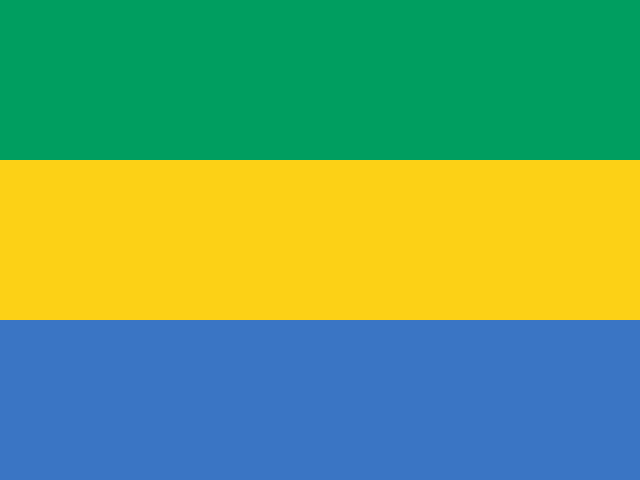
Flags are a memory test with a bad reputation because most people try to memorise them as pictures. They are easier as constructions: a handful of families, a small set of symbols, and a colour order. This quiz feeds you one flag at a time with same-continent distractors, which forces you to use the distinguishing detail rather than guessing by general shape.
How to actually learn flags
Start with a continent, not the world. Flags within a continent share conventions, so learning five of them teaches you the pattern for the other forty. Take the quiz once to find out what you already know, then only study the ones you missed. Retesting is what moves a flag into long-term memory; rereading a chart is not. Two minutes a day for a week beats an hour the night before, and the daily challenge exists to make that two minutes automatic.
The flags everyone confuses
Australia and New Zealand are the classic pair, separated by star colour and count. Chad and Romania are nearly identical blue-yellow-red verticals, distinguished only by shade. Indonesia and Monaco are the same red-over-white, differing in aspect ratio. Senegal and Mali share a green-yellow-red vertical but swap the central symbol. These four pairs account for a disproportionate share of wrong answers, so learning the distinguishing detail is worth more than learning four new flags.
What the quiz does not test
This quiz asks you to recognise a flag, not to reproduce it. Being able to draw a flag from memory is a much harder test, and it is not what most people need. If your goal is travel, news, or a pub quiz, recognition is the right level. If your goal is vexillology, the study of flags, you will want the construction details: proportions, official colour codes, and the date each design was adopted. Those are on each country’s page once you are ready for them.